Announcing VulkanSceneRenderer
VulkanSceneRenderer is a C++23 Vulkan renderer built for real-time glTF scene rendering, physically based materials, and renderer experimentation. The project has reached the point where it can load production-style sample assets, render them through a modern deferred pipeline, and expose enough debug information to make rendering problems inspectable instead of mysterious.
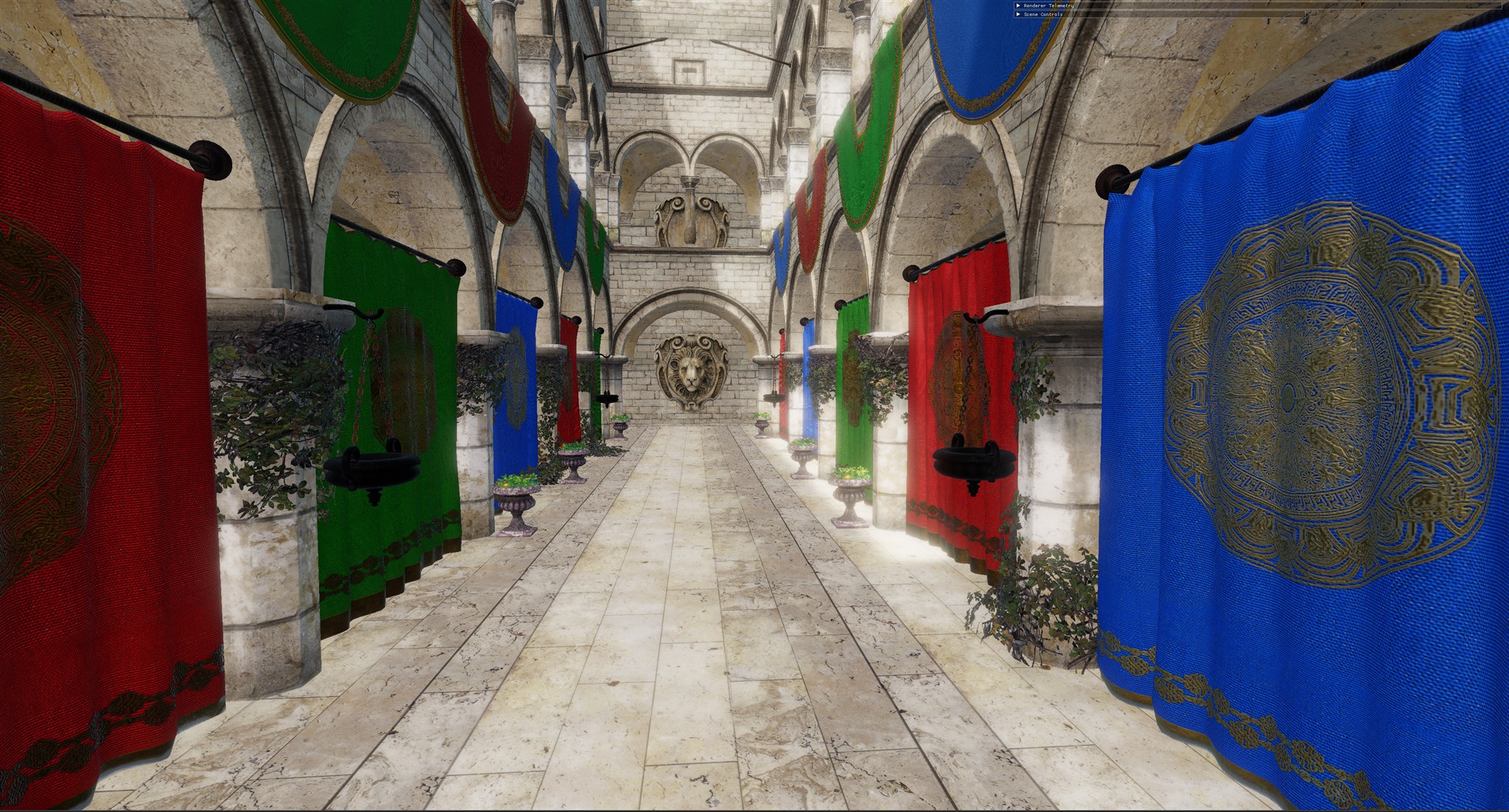

What It Renders
The renderer supports a deferred opaque path, a forward transparent path with order-independent transparency, and a glTF-focused material system. Current PBR coverage includes metallic-roughness, normal maps, occlusion, emissive textures, alpha mask and blend modes, specular, clearcoat, sheen, transmission, volume, iridescence, dispersion, and multiple-scattering compensation for specular IBL.
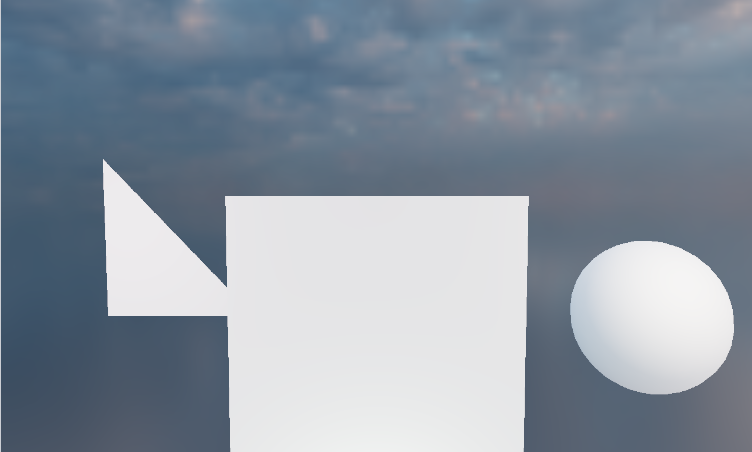
The diagnostic scene is intentionally simple: a triangle, cube, and procedural sphere under the same camera, environment, and lighting controls used by larger assets. It gives the renderer a fast sanity check for transforms, winding, depth, normals, lighting, and post-process output before moving on to heavier content.
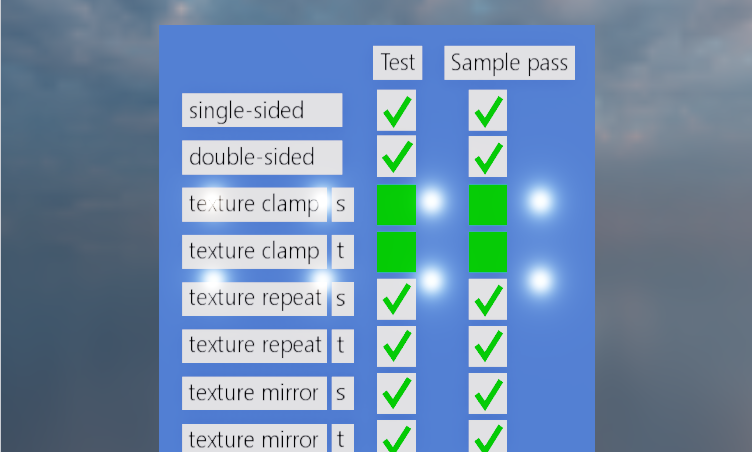
Under The Hood
The frame is organized as a render graph rather than a single monolithic render
function. RendererFrontend owns the frame-level orchestration, while focused
managers own lighting, shadows, frame resources, culling, OIT, bloom,
environment maps, scene data, and GPU allocations. FrameRecorder records the
passes in graph order and keeps image layout transitions close to the pass that
needs them.
The current frame flow is:
Depth prepass
  -> Hi-Z / occlusion cull
  -> G-buffer
  -> shadow cascades
  -> tile light cull
  -> GTAO
  -> deferred lighting + transparent OIT
  -> bloom
  -> post-process + debug output
For materials, the renderer uses a compact bridge between object data and
material data. Each object carries transform data, a normal matrix, bounds, and
an objectInfo vector. objectInfo.x stores the material index. Full material
factors, texture indices, texture transforms, and feature flags live in a
GpuMaterial storage buffer, with bindless sampled images and sampler metadata
in the scene descriptor set.
That keeps draw submission object-index based while still letting shaders fetch the complete glTF material when needed:
glTF material
  -> container::material::Material
  -> container::gpu::GpuMaterial
  -> shaders/material_data_common.slang::GpuMaterial

Scene object
  -> ObjectData.objectInfo.x
  -> uMaterials[objectInfo.x]
Opaque and alpha-masked geometry write compact G-buffer channels first. Deferred lighting then combines per-pixel data with material-index lookups for layered terms that do not fit cleanly in the G-buffer, such as clearcoat, sheen, iridescence, and colored dielectric specular. Transparent and transmission materials use the forward path, where the full material record is available during shading.
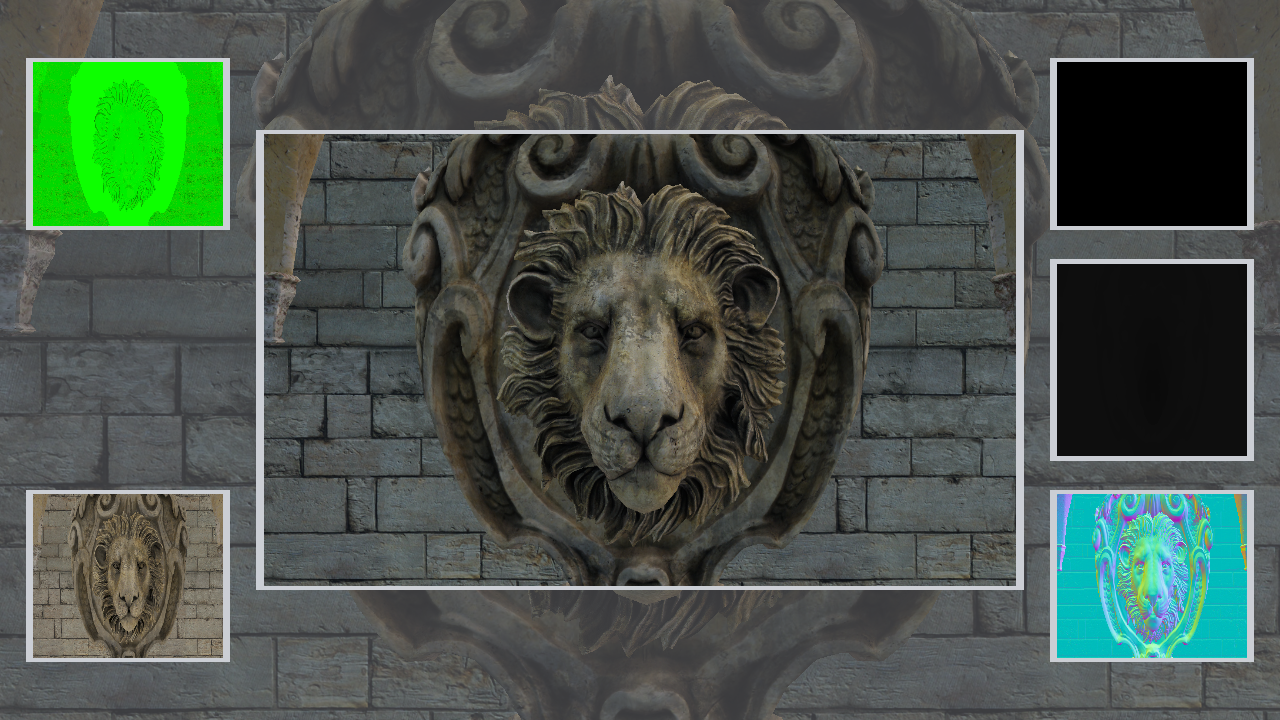
The debug overview is part of the workflow. It makes the renderer show final lighting alongside material, depth, normal, and intermediate views, which is useful when investigating problems like reversed winding, incorrect sampler state, culling mistakes, or unexpected PBR channel packing.
The next steps are to keep tightening correctness and visual quality: more reference scenes, better glass and transmission, stronger visual baselines, further GPU-driven rendering work, and continued cleanup around renderer ownership boundaries.
To build it on Windows:
cmake --preset windows-release
cmake --build out/build/windows-release --target VulkanSceneRenderer --config Release
To run the test suite:
ctest --test-dir out/build/windows-release --output-on-failure
VulkanSceneRenderer is now a working foundation for renderer experiments: grounded in glTF assets, explicit about its frame graph, and instrumented enough to make every rendered image explainable.